- HOME
- Find Instruments and Buy
- Bookmark
- Browsing History
- Easy Buyback Assessment
- Premium Selection
- Category List
- Brand List
- Easy Search
- Musical Instrument Store List
- Guitar Technique
 JAPANESE
- HOME
- Find Instruments and Buy条件を選んで絞り込みながら探す
- Advanced Search詳細条件を設定して一発で探す
- Easy Searchギターや楽器をワンクリックで探す
- Category Listギターや楽器の種類から探す
- Brand List楽器メーカーやブランド名から探す
- Musical Instrument Store Listギターショップ・楽器店を探す
- New Arrivals新着楽器を登録日ごとに表示
- Premium Selectionビンテージ&プレミアム
- SALE!公式セール・店舗セール・タイムセール
- 値下げ商品!セール以外でもお買得楽器が満載!
- Browsing History
- Bookmark
- Easy Buyback Assessment全国の楽器店が無料で査定!
- Guitar Technique完全無料の人気ギター講座
- JAPANESE
- 閉じる


- HOME
- Guitars/Basses/Stringed Instruments
- Classical/Flamenco Guitars
- Classic Guitars
- ハンソン・ヤオ 【Hanson YX】 Santos Herrnabdez 2026年 New 1608710 ハンソン・ヤオ 【Hanson YX】【楽器検索|Jギター】
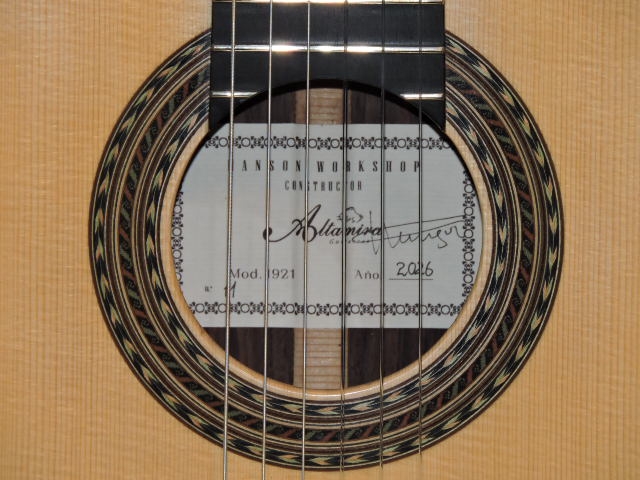
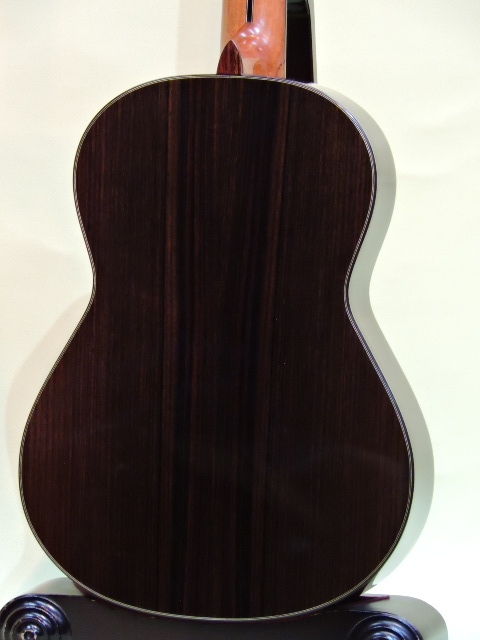
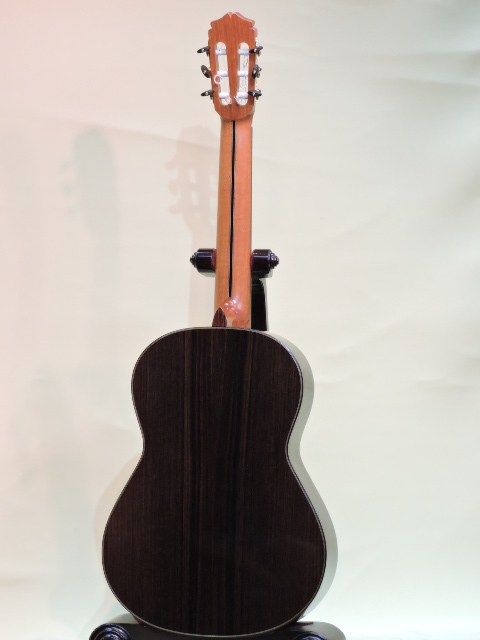
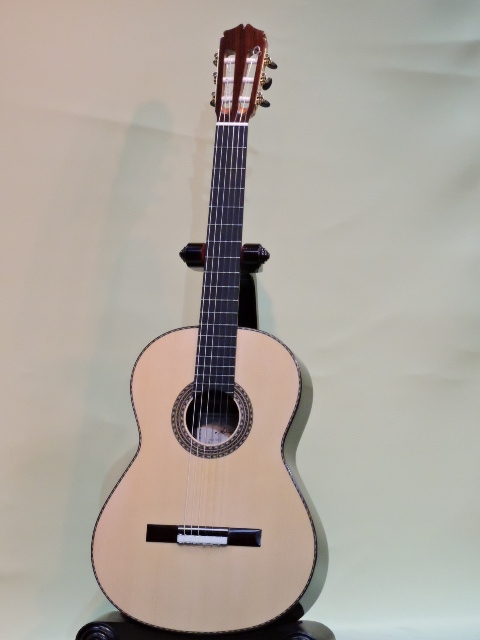
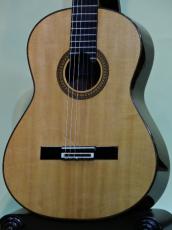
ハンソン・ヤオ 【Hanson YX】 Santos Herrnabdez


A faithful replica of a Santos Hernández instrument, crafted by the talented team led by Hanson Yao
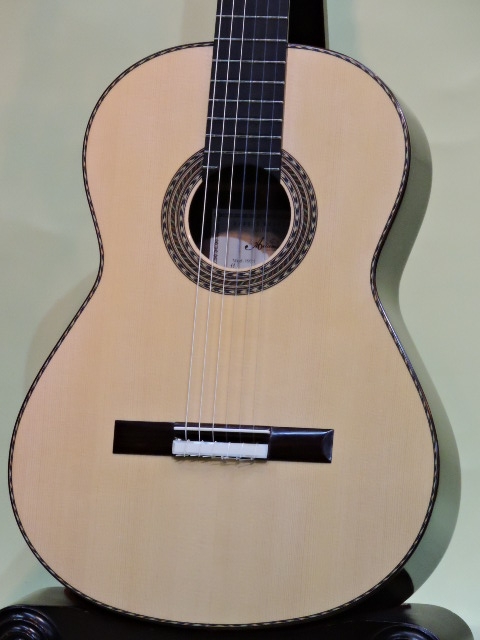
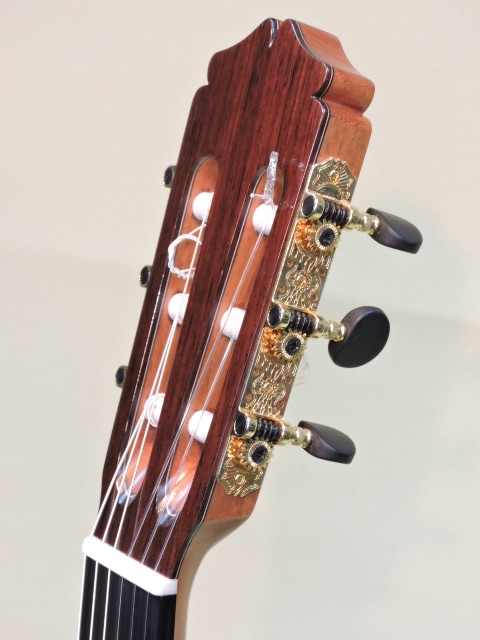
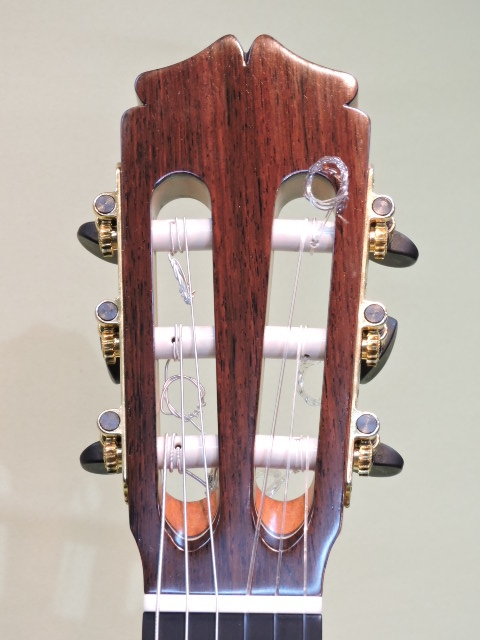
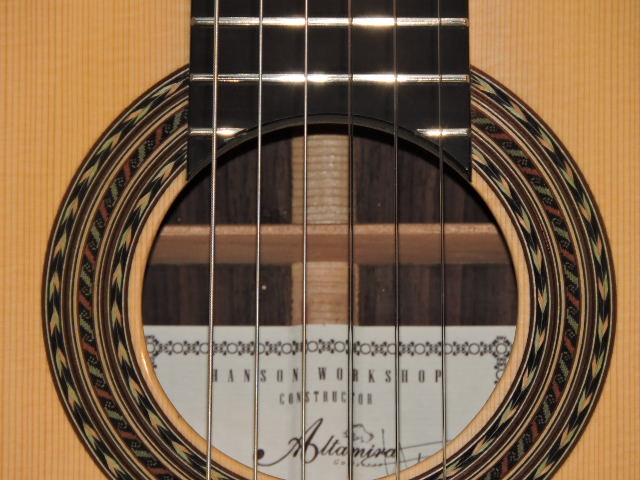
Product Description
Unlike the previously mentioned "Torres" copy—which was created through a collaboration between Gabrielle Lodi and the Hanson Workshop (led by Mr. Hanson Yao)—this reproduction of the historic Spanish masterpiece (the Santos Hernández model) was crafted solely by the Hanson team. It represents an independent attempt to recreate the legendary instrument, achieving a level of perfection that rivals even that of the "Torres" copy.
In reality, existing Santos Hernández guitars are now around a century old; the sound they produce today is "matured," shaped by the passage of a hundred years. Consequently, while one might wish to know what the instrument sounded like when it was first completed, such knowledge has remained purely a matter of speculation.
Many renowned individual luthiers have created Santos copies over the years, successfully capturing an atmosphere close to the original. However, it is inevitable that the personality of the maker—rather than the essence of the Santos itself—comes to the fore in these instruments.
Recreating a legendary instrument is far more complex than an amateur might imagine. It demands more than just tracing specifications—such as the structural design, the thickness of the wood panels, and the placement of the bracing. It requires an understanding of the master luthier’s specific techniques—such as the way they wielded their chisels—as well as their production processes and their intuitive sensibility regarding the wood itself. In a sense, the artisan undertaking the reproduction must be willing to completely reset the skills and habits cultivated throughout their own training—a process that can sometimes feel like a negation of their own established identity.
What makes the Hanson team’s "Santos copy" so remarkable is the vivid, authentic freshness of the sound—evoking exactly how a Santos Hernández guitar would have sounded when it was first completed a century ago. It is astonishing to find that the personality of the artisan who crafted the copy does not intrude upon the instrument at all.
I believe this is the result of a virtuous cycle born from the collaborative team approach; by working as a group rather than as individuals, the artisans were able to set aside their own personal stylistic quirks in favor of the instrument's true character.
This guitar is highly recommended for those who have previously dismissed such fine instruments due to their price, or for those who—despite their interest—viewed them as unattainable, "out-of-reach" guitars belonging to another world; I encourage you to pick one up and experience it for yourself.
Gig bag included.
Detailed Information
| 商品名 | ハンソン・ヤオ 【Hanson YX】 Santos Herrnabdez |
|---|---|
| Product ID | 1608710 |
| Instrument Category | Guitars/Basses/Stringed Instruments > Classical/Flamenco Guitars > Classic Guitars |
| Brand | ハンソン・ヤオ 【Hanson YX】 |
| Model Number / Model | サントス 【Santos Herrnabdez】 |
| Instrument Classification | New |
| Year | 2026Year |
| Condition | NEW |
| Option | Handmade, Custom-made |
| Top Material | Spruce |
| Side and Back Material | Rosewood |
| Colors | Natural/Wood Grain |
| Country of Manufacture | China |
| String Length | 650mm |
| Case | Hard Case |
| Accessories | Case |
| Release Date | 2026/07/11 |
| Update Date | 2026/07/11 |
ギターワークショップ アンダンテ

| Street Address | 〒101-0052 Suzuki Building 2F, 3-16 Kanda Ogawamachi, Chiyoda-ku, Tokyo 101-0052 |
|---|---|
| Access | 3-minute walk from Exit A-5 of Jimbocho Station on the Toei Mita Line, Shinjuku Line, and Tokyo Metro Hanzomon Line 5 minute walk from Ochanomizu Station on the JR Sobu Line/Chuo Line and Tokyo Metro Marunouchi Line 4 minute walk from Exit B-3 of Shin-Ochanomizu Station on the Tokyo Metro Chiyoda Line Parking space: Coin parking available nearby |
| TEL / FAX | TEL:81-3-5281-0922 / FAX:03-5281-0923 |
| Business Hours / Regular Holiday | Weekdays 11:00-19:00 Weekends/Holidays 11:00-17:30 / なし |
| Home Page | https://eisenach.jp/andante/ |
| Product Type | New, Used, Vintage |
| Product Category | Classical/Flamenco Guitars, Effects, Piano/Keyboards, Software Sound |
| Supported Services / Facilities |
|
| J-Guitar Payment |
| Store Name | ギターワークショップ アンダンテ |
|---|---|
| Location | Suzuki Building 2F, 3-16 Kanda Ogawamachi, Chiyoda-ku, Tokyo 101-0052 |
| Mail Address | [email protected] |
| Business Hours | Weekdays 11:00-19:00 Weekends/Holidays 11:00-17:30 |
| Seller | |
|---|---|
| Representative Or Responsible Person | |
| Location | - 0 |
| Phone Number | -- |
| Selling Price | |
| Fees other than sale price required | |
| Payment method and time period | |
| Delivery Period | |
| Application Period申込み有効期限 | |
| Guarantee | |
| Guarantee ・ Return ・ Cancel | |
| Sale quantity limit and other special conditions |
New instruments from this store
To stock list
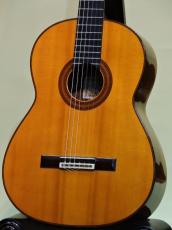

![Jose Ramirez [ホセ・ラミレス] 2E](https://sp.j-guitar.com/upload/save_image/10092214_6ac8e8b06cc2d.jpg_230_230.jpg)
![Nishino Shunpei [西野春平] オリジナル【ハウザーモデル】](https://sp.j-guitar.com/upload/save_image/10092122_6ac8dc8504587.jpg_230_230.jpg)

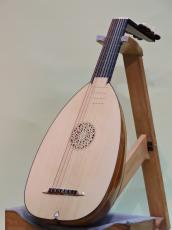

![Arcangel Fernandez [アルカンヘル・フェルナンデス] オリジナル](https://sp.j-guitar.com/upload/save_image/08302125_6a94214d043ca.jpg_230_230.jpg)
![M.Tezanos & Perez [テサーノス&ペレス] トーレス 【La Emperatriz 1884】](https://sp.j-guitar.com/upload/save_image/08302032_6a9414e2c83d8.jpg_230_230.jpg)
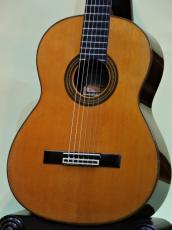
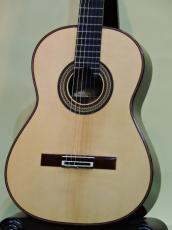
![Jose Ramirez lll世 [ホセ・ラミレス3世] PBスタンプ](https://sp.j-guitar.com/upload/save_image/07310040_6a6b707e5202b.jpg_230_230.jpg)
![三浦 隆志 [Takashi Miura] SJ-1 オリジナル](https://sp.j-guitar.com/upload/save_image/07220000_6a5f897366c6d.jpg_230_230.jpg)